9. Father of the Federal Reserve
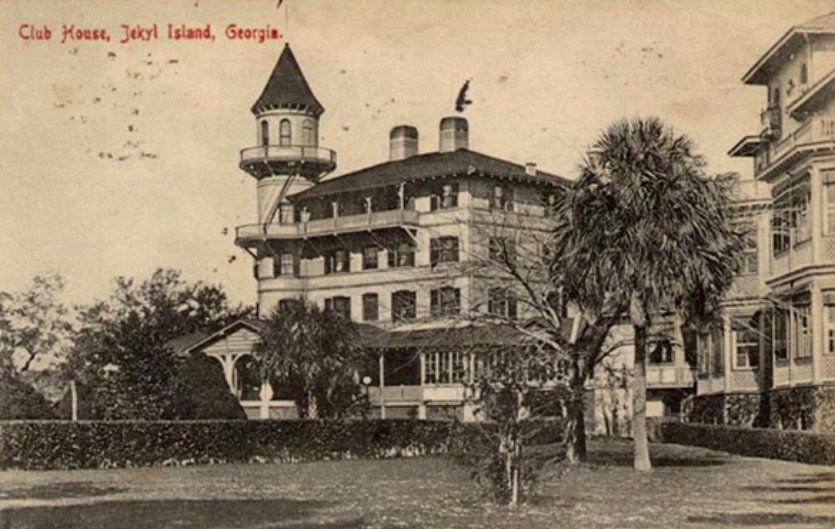
This chapter traces the covert alliances, political calculation, and financial ambition that converged in 1913 to reshape the American economy. It examines how a small circle of powerful men engineered a system that still governs the flow of money and influence today.
8. More Despotic Than a Monarchy
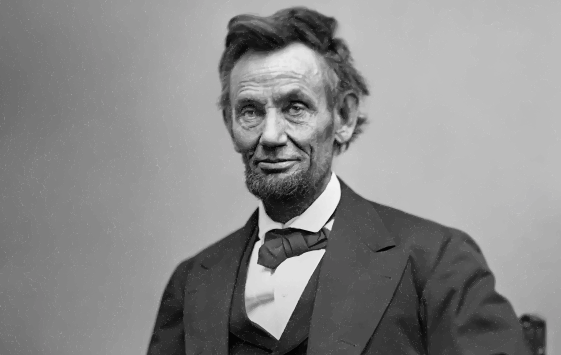
When War Becomes a Ledger A quiet dinner. A crowded restaurant. A conversation that should have remained academic but did not. What begins as a meal with a close uncle turns the discovery of the mechanics of war, money, and power. Through the voice of Uncle George, history sheds its neutral mask. The American Civil War is no longer framed solely by flags and battlefields, but by balance sheets, debt instruments, and men who understood that wars are not won by courage alone. The story moves deliberately through Lincoln’s early presidency, the staggering cost of war, and the rise of financial power that thrived in its shadow. Names surface. Jay Cooke. Salmon P. Chase. Banking monopolies. Public debt sold at unprecedented speed. Fortunes built while bodies were buried, often unnamed. Interwoven with history is the inner life of David, a young musician asked to translate human suffering into sound. Numbers become images. Statistics become color. Music becomes the only language capable of carrying what words cannot. As the past presses closer, the present becomes uneasy. When Uncle George finally names his profession, Economic Hit Man, the conversation crosses a line from history into something far more immediate. The video explores themes rarely discussed openly. The profitability of war. The manipulation of governments. The uneasy alliance between finance and bloodshed. It draws from historical records, controversial statements, and moral questions that remain unresolved. It asks a simple question with dangerous implications. Who truly benefits from war. Watch the video. Listen closely. Then decide what you hear beneath the music. Read The Kings Have Won. https://youtu.be/5RhlhvZ29FE?si=GiIVTelYDNwZqW-F
7. I Killed the Bank
Discover the epic showdown between President Andrew Jackson and banker Nicholas Biddle in this gripping exploration of the Bank War, one of the most pivotal, dramatic, and often misunderstood battles in American history.
Who truly won? And what legacy did this titanic clash leave behind—for our economy, our democracy, and the American dream itself?
6. Your Kingdom…

The Kings’ failures were the fruits of greed and folly, but these men were better, wiser, and more inclined to become the rulers. Von Neiman stood and clapped his hands…”May we withdraw behind a veil of secrecy and become the puppet masters who, in the shadows, will become the invisible rulers, the unknown masters,” Von Neiman said. “To a new World Order!”
5. The Five Arrows

“Yes, the Five Arrows, Amschel Mayer Rothschild, from Frankfurt, Salomon Mayer Rothschild, based in Vienna, Nathan Mayer Rothschild, in London, and Jakob Mayer Rothschild who resided in Paris, and Calmann Mayer Rothschild, in Italy. They were all bankers in their places of residence, all representing the Rothschild Banking empire under various names,” he said.
4. Theater

At precisely five o’clock, Nathan Mayer Rothschild retired to the grand living room of the impressive New Court on St Swithin’s Lane; a most deserved moment of peace. A few days earlier, the rain had begun to fall over London, and while it varied in intensity, it had never ceased.
3. Messengers
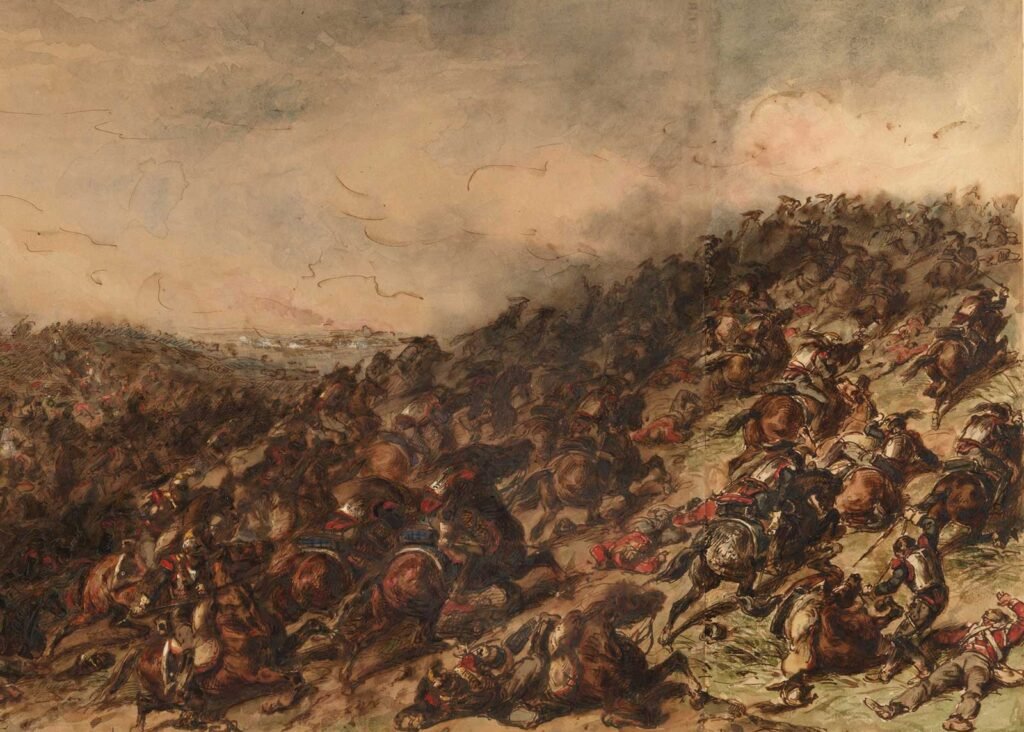
Caillou was a one-eyed beast of sorts—a disfigured being ravaged by fear and the violence of men; part cyclops, part gargoyle, and part man. A soldier amongst the thousands about to die on this dreary battlefield, he sat, sheltered from the torrential rain; silent, immobile, and apprehensive, waiting for the giant before him to move.
2. Washington is Burning

At precisely five o’clock, Nathan Mayer Rothschild retired to the grand living room of the impressive New Court on St Swithin’s Lane; a most deserved moment of peace. A few days earlier, the rain had begun to fall over London, and while it varied in intensity, it had never ceased.
1. The Pauper Made King
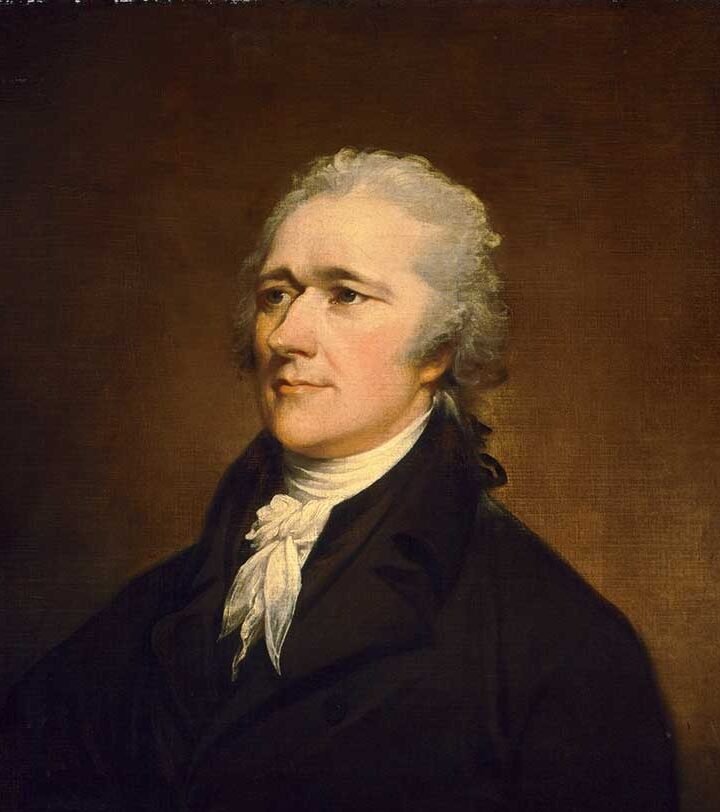
“Of the Founding Fathers, no dream was too grand to dismiss, and I salute them. However, I wish to dedicate all the honors to the builder of Nation, to the man who transformed ideas into realities, to the corruptible genius, to the man so blinded by honor it led him to his death, to the pauper made King; Alexander Hamilton, who helped us, in the words of Thomas Jefferson; “…form the most corrupt government on earth.”
How it all began
Becoming an American citizen led Adrien Gold to study the America’s history. Fascinated by the many momentous but little-known events that he discovered along the way, Gold embarked on writing a series of 19 entertaining and informative short stories of historical fiction, compiled into “The Kings Have Won.” The book recounts America’s 200-year-long battle for the wealth of America.