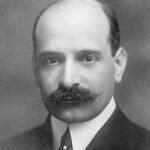
 Paul Warburg was the stoic architect of the Federal Reserve, a man of “discreet wealth” and ironclad logic. When he passed away in 1932, his family whispered that he died of a broken heart, a casualty of the political infighting that stripped him of his leadership at the bank. But, to me, Paul Warburg was too brilliant to be destroyed by a boardroom coup. His real “broken heart” didn’t belong to the Treasury; it belonged to an invented character called Elsa Mueller: The Rose in the Storm that was Warburg’s life when he was dismissed by Woodrow Wilson.
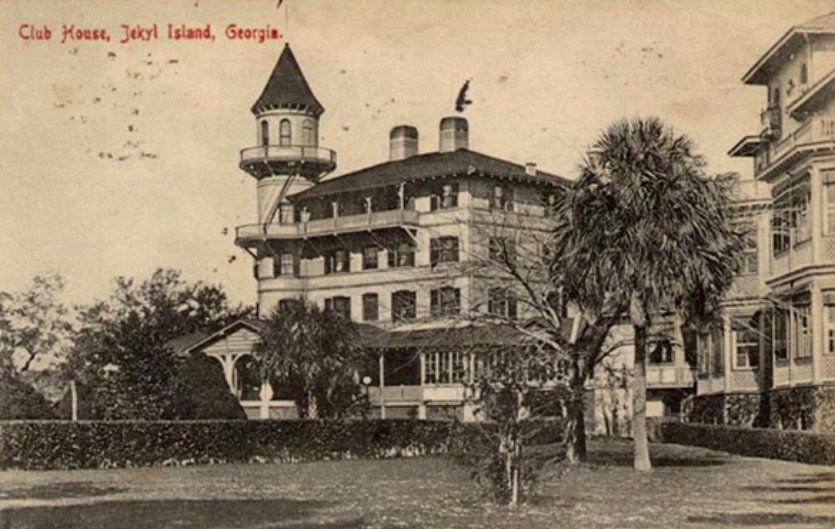
Elsa, this fictitious character, was an intellectual rival who challenged the very lies Warburg spent eleven years building. While the world focused on the secrecy of Jekyll Island, Paul was focused on a woman who quoted Nietzsche and saw the “unrestrained greed” behind the new financial order.
Their time was brief. In 1918, a tragic accident silenced the only voice that truly knew him. From that moment on, the “Father of the Federal Reserve” became a ghost. He warned of the 1929 crash not out of professional duty, but because he had lost the only thing that made the wealth worth it.
Paul Warburg, the visionary behind the Federal Reserve, spent years constructing the Federal Reserve to stabilize the American economy. But by 1928, the architect became the prophet of doom. Warnings of unrestrained greed, he watched the system he birthed spiraled into a “market orgy” of speculation.(1929)
Warburg publicly signaled a catastrophic collapse, earning the mocking nickname “Gloomy Gus” from the Wall Street elite. His dark premonition was ignored until Black Tuesday proved him right. He realized too late that he had built a machine even he couldn’t control—a legacy of debt and disillusionment.
This chapter of The Kings Have Won traces the covert alliances, political calculation, and financial ambition that converged in 1913 to reshape the American economy. It examines how a small circle of powerful men engineered a system that still governs the flow of money and influence today.