When War Becomes a Ledger
A quiet dinner. A crowded restaurant. A conversation that should have remained academic but did not.
What begins as a meal with a close uncle, turns the discovery of the mechanics of war, money, and power. Through the voice of Uncle George, history sheds its neutral mask. The American Civil War is no longer framed solely by flags and battlefields, but by balance sheets, debt instruments, and men who understood that wars are not won by courage alone.
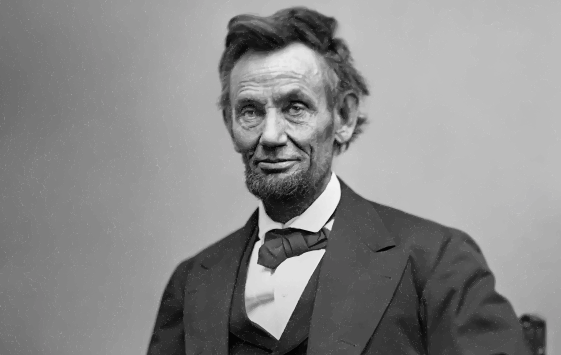
The story moves deliberately through Lincoln’s early presidency, the staggering cost of war, and the rise of financial power that thrived in its shadow. Names surface. Jay Cooke. Salmon P. Chase. Banking monopolies. Public debt sold at unprecedented speed. Fortunes built while bodies were buried, often unnamed.
Interwoven with history is the inner life of David, a young musician asked to translate human suffering into sound. Numbers become images. Statistics become color. Music becomes the only language capable of carrying what words cannot. As the past presses closer, the present becomes uneasy. When Uncle George finally names his profession, Economic Hit Man, the conversation crosses a line from history into something far more immediate.
The video explores themes rarely discussed openly. The profitability of war. The manipulation of governments. The uneasy alliance between finance and bloodshed. It draws from historical records, controversial statements, and moral questions that remain unresolved.
It asks a simple question with dangerous implications. Who truly benefits from war.
Watch the video. Listen closely. Then decide what you hear beneath the music. Read The Kings Have Won.